
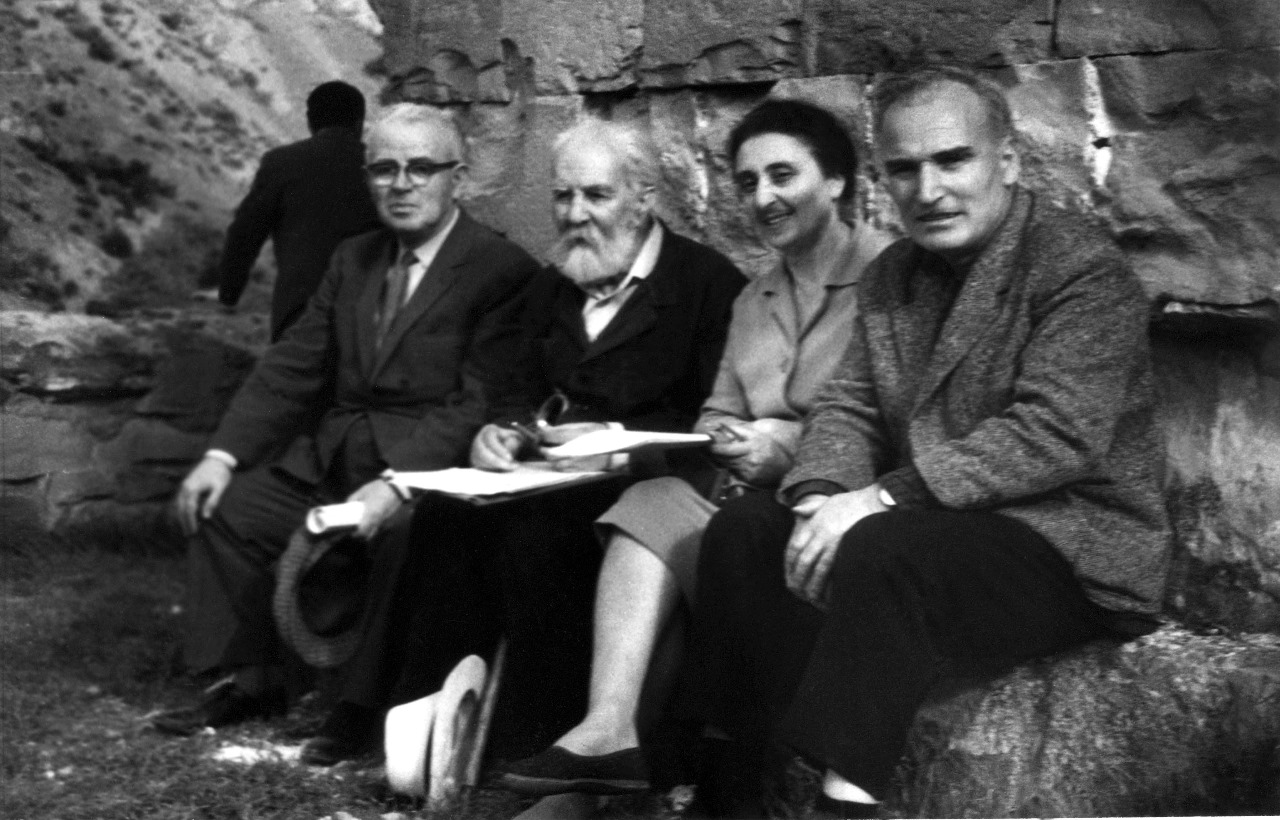
The Institute of the History of Georgian Art of the Academy of Sciences of the Georgian SSR (now the Giorgi Chubinashvili National Research Centre for Georgian Art History and Heritage Preservation) was founded on April 1, 1941.
The institution bears the name of its founder and first director, Giorgi Chubinashvili (1941–1973).
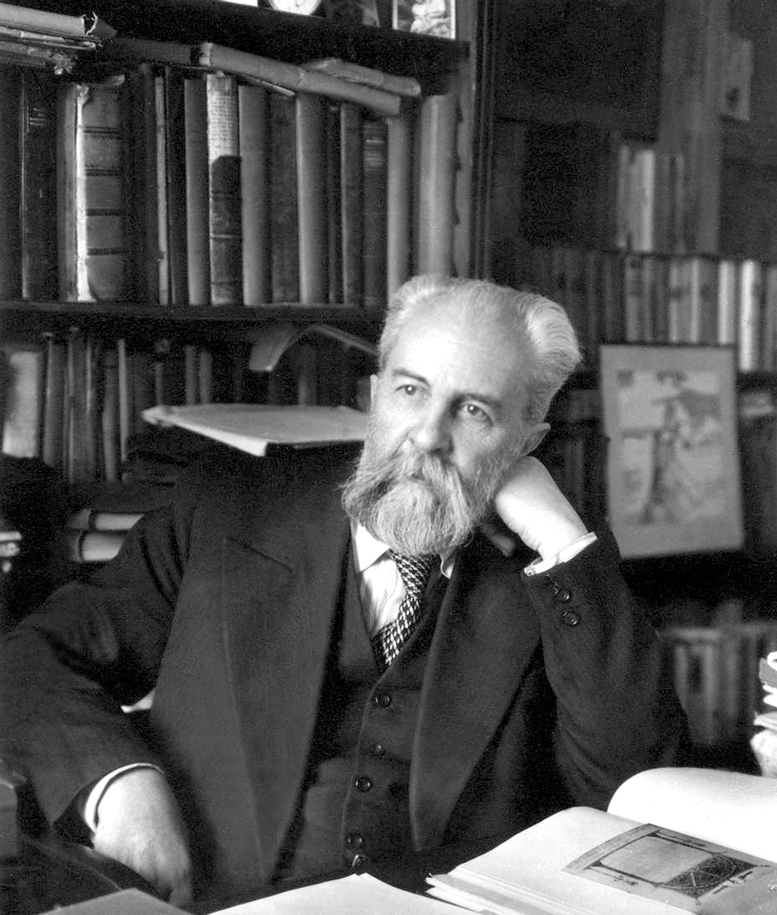
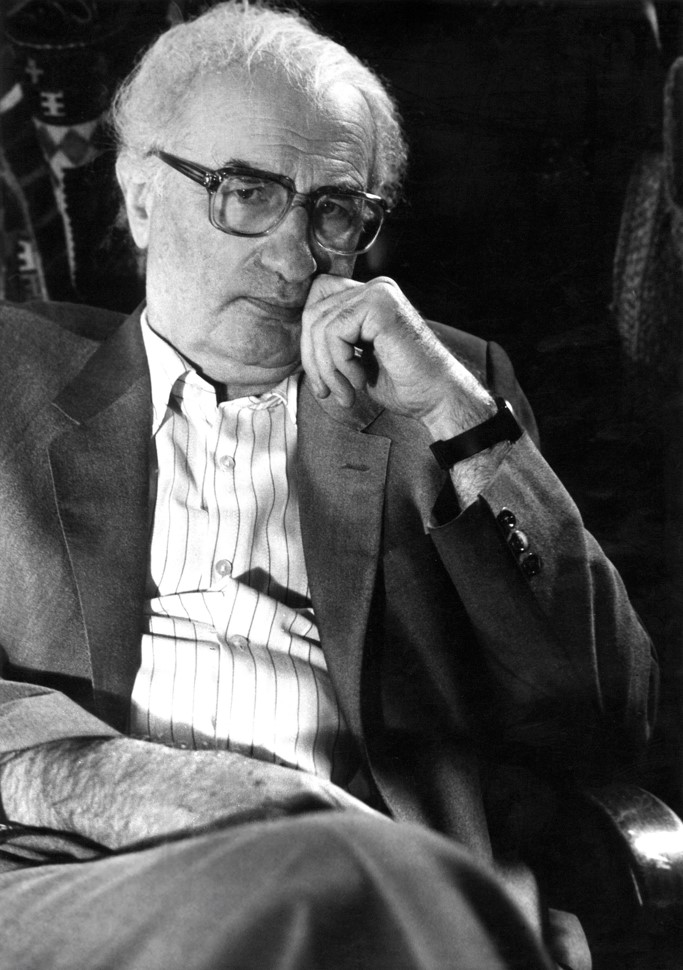
Vakhtang Beridze – served as the head of the institution from 1973 to 1988 and again from 1996 to 2000.
Through the devoted scholarship of Academician Giorgi Chubinashvili, Academician Vakhtang Beridze, and successive generations of their collaborators, the historical trajectory of Georgian art was systematically defined, and its place within the broader context of world culture was elucidated. Beyond their extensive body of academic publications, the numerous international symposia organized by the Institute—both in Georgia and abroad—played a pivotal role in advancing this recognition. These efforts brought to light the distinctive value and cultural significance of Georgian art, which today stands as a source of national pride.
Over the years, the institution has been headed by:
Nodar Janberidze | Temur Sakvarelidze | Temur lejava | Mariam Didebulidze | Tamar Belashvili | Tamaz Dvali | Mariam Gachechiladze
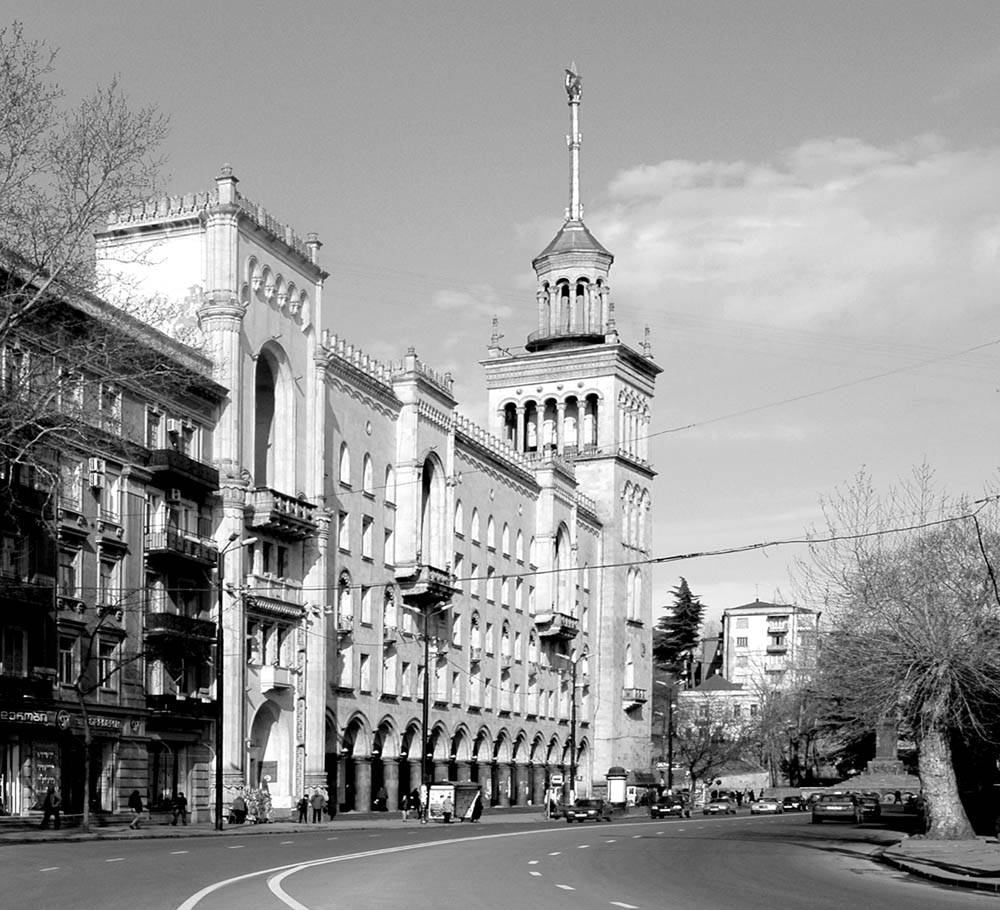
From its founding until 1988, the Institute was housed in the building of the Simon Janashia State Museum (10 Ketskhveli Street). In 1988, it relocated to 2 Erekle II Street, and in 1990 to 3 Lesia Ukrainka Street.
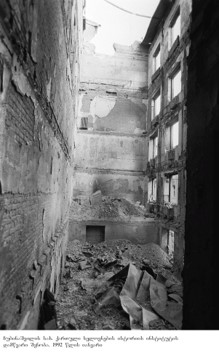
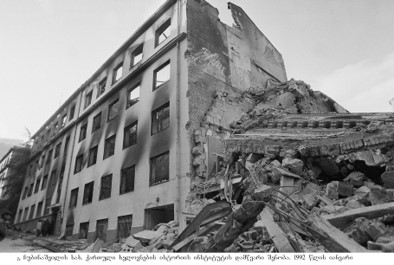
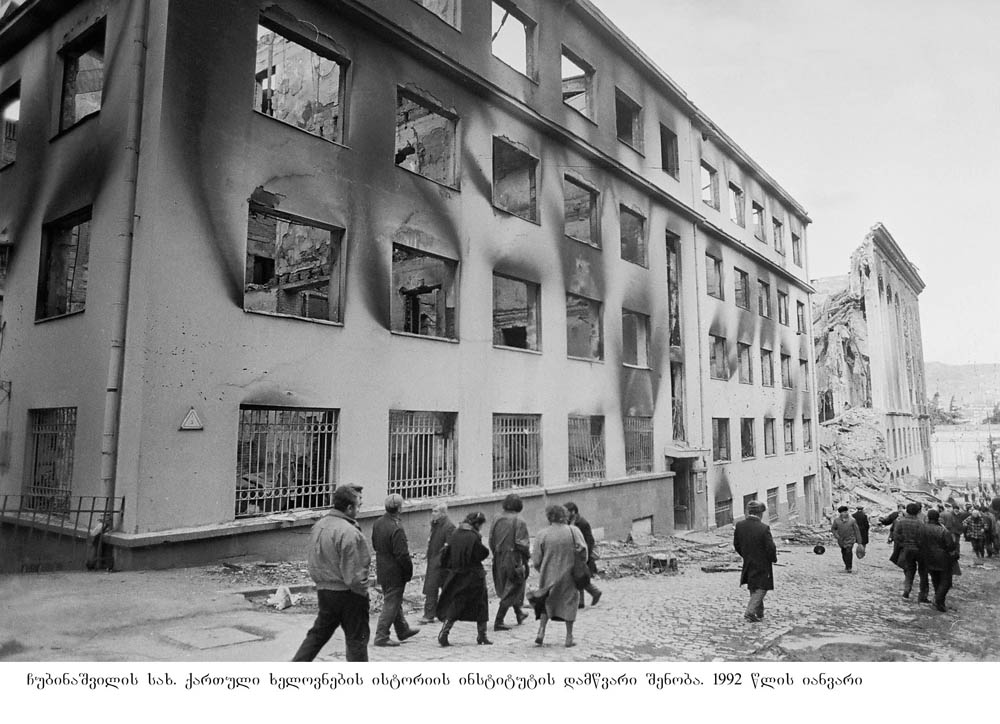
In December 1991, during the military conflict in Tbilisi, the Institute suffered irreparable losses: its building on Lesia Ukrainka Street was completely destroyed by fire, resulting in the loss of the majority of the library, unique drawings and photographic archives, personal archives and research materials of scholars, and complete documentation, among other things.
Following this, the Institute was temporarily accommodated in several rooms of the Presidium of the Georgian Academy of Sciences (52 Rustaveli Avenue), and later on 5 Tabukashvili Street, again occupying several rooms.
In 2005, based on the merger of the Giorgi Chubinashvili Institute of the History of Georgian Art and the Sego Kobuladze Laboratory for the Photographic Documentation of Art Monuments, the Giorgi Chubinashvili National Research Centre for Georgian Art History and Heritage Preservation was established.
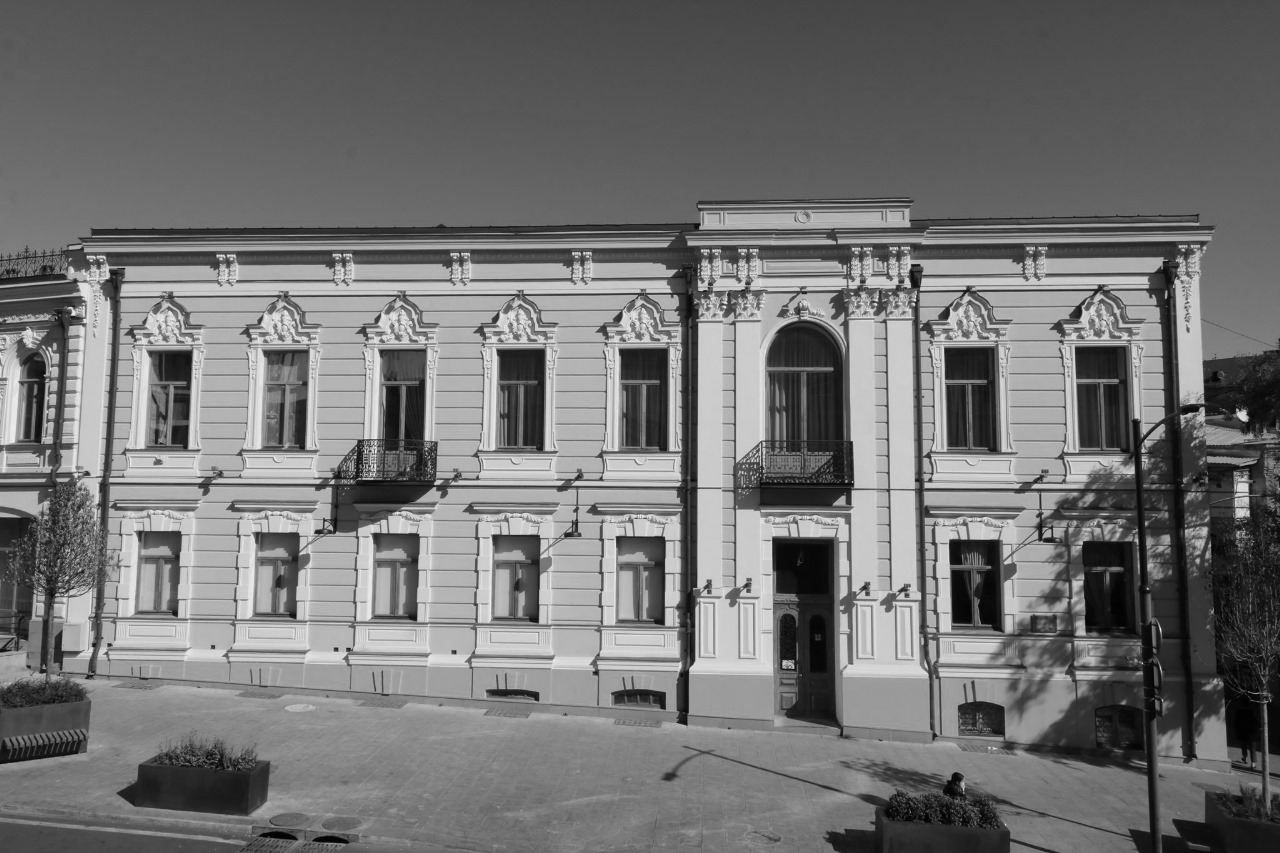
In 2011, by decree of the President of Georgia, the Centre was provided with a two-storey building at 9 Atoneli Street.
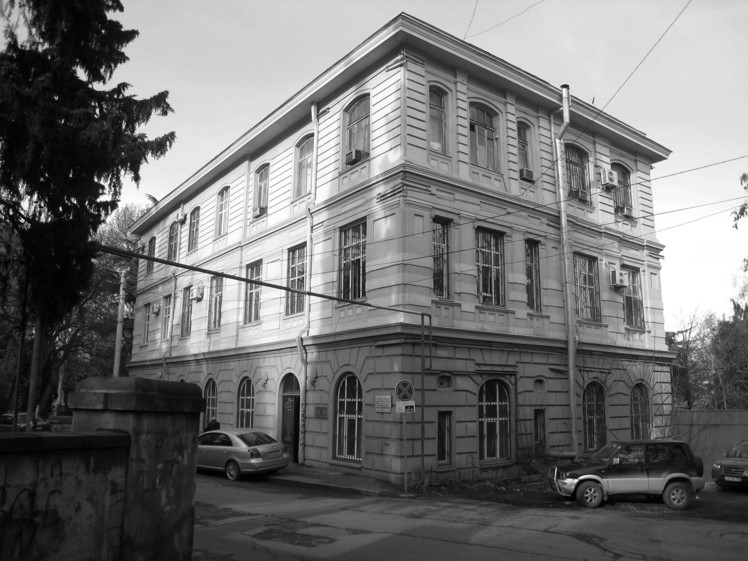
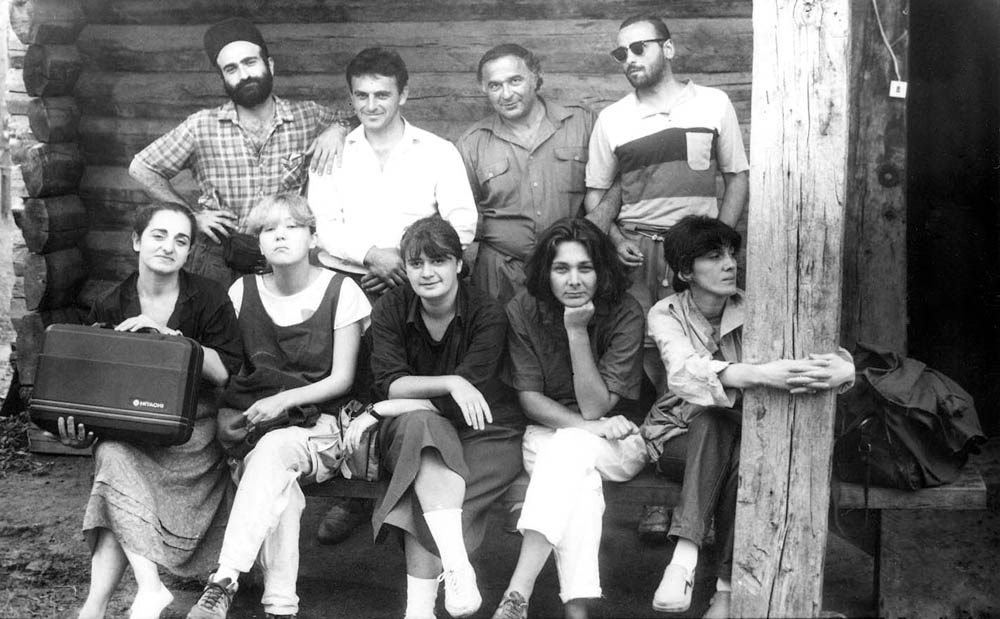
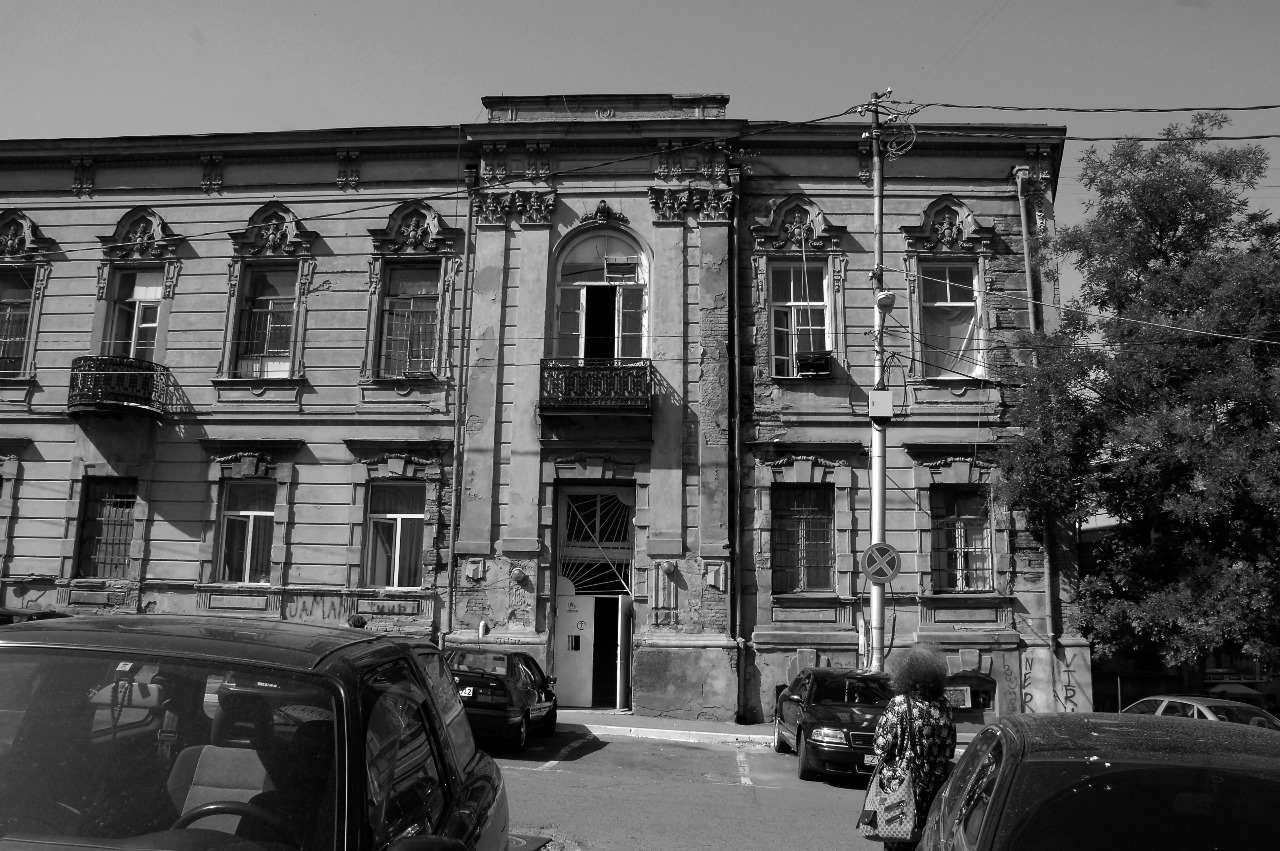
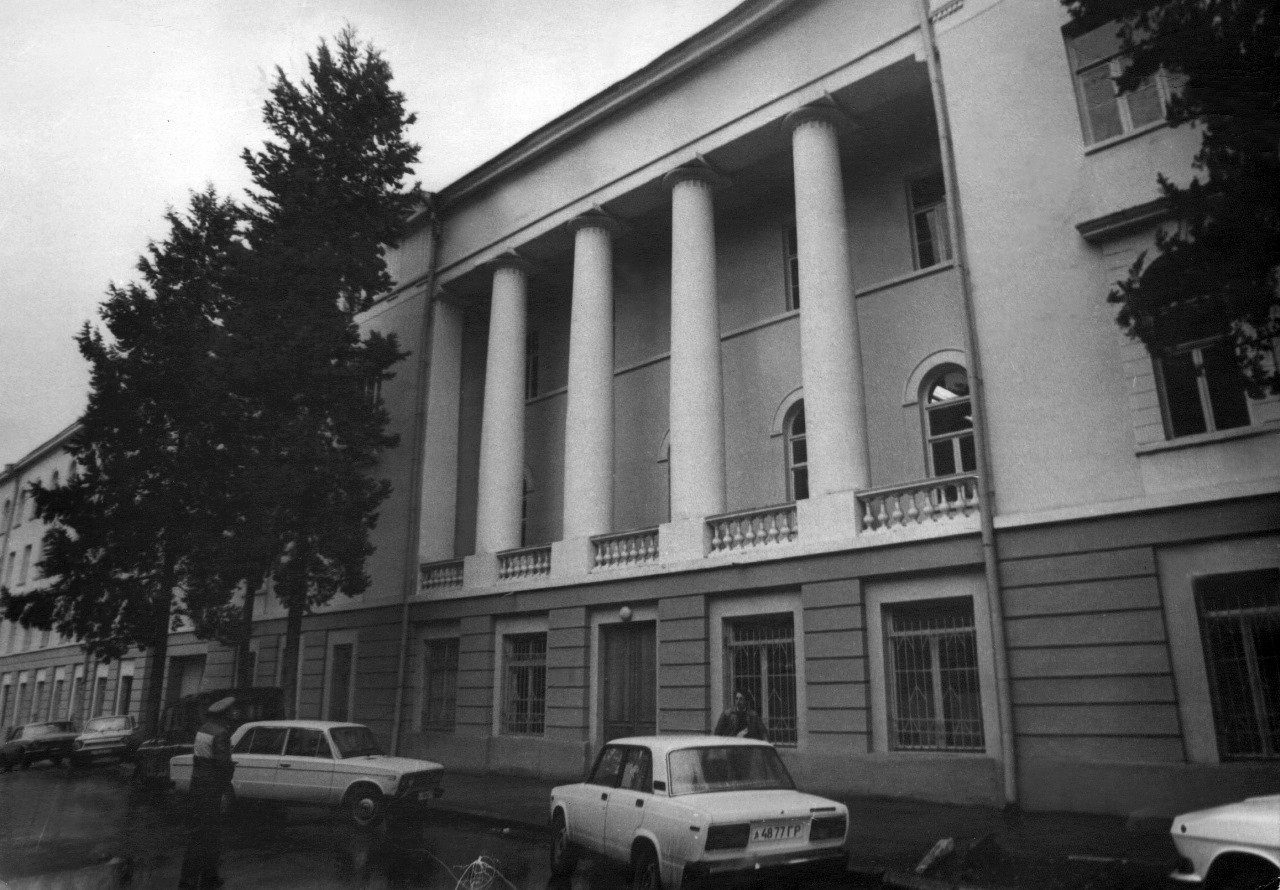
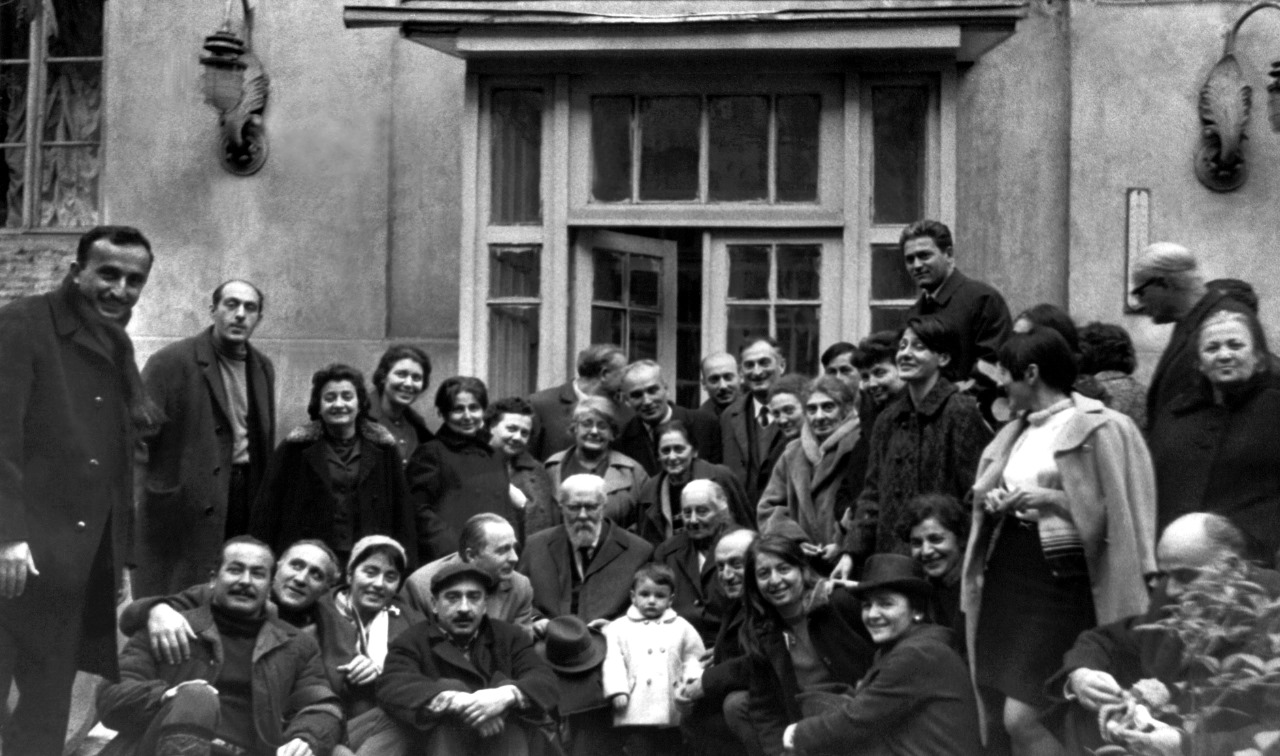
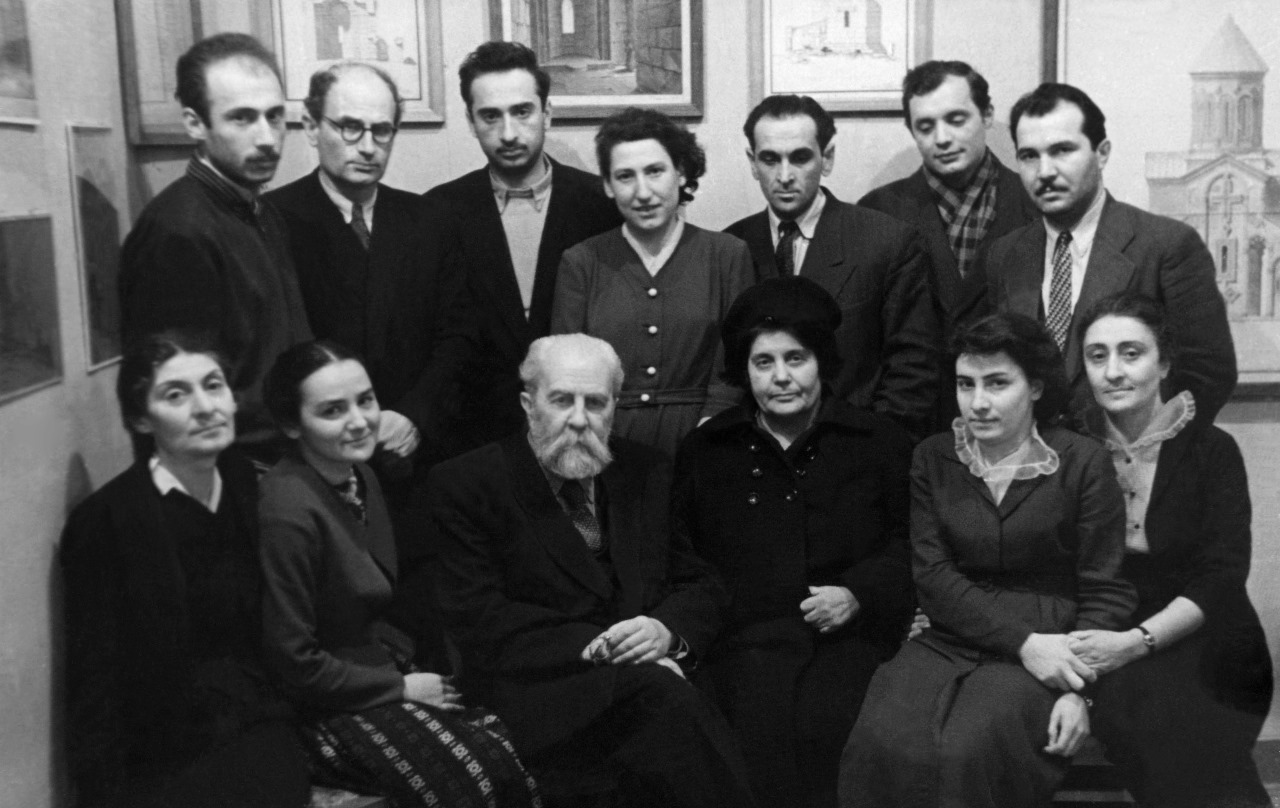
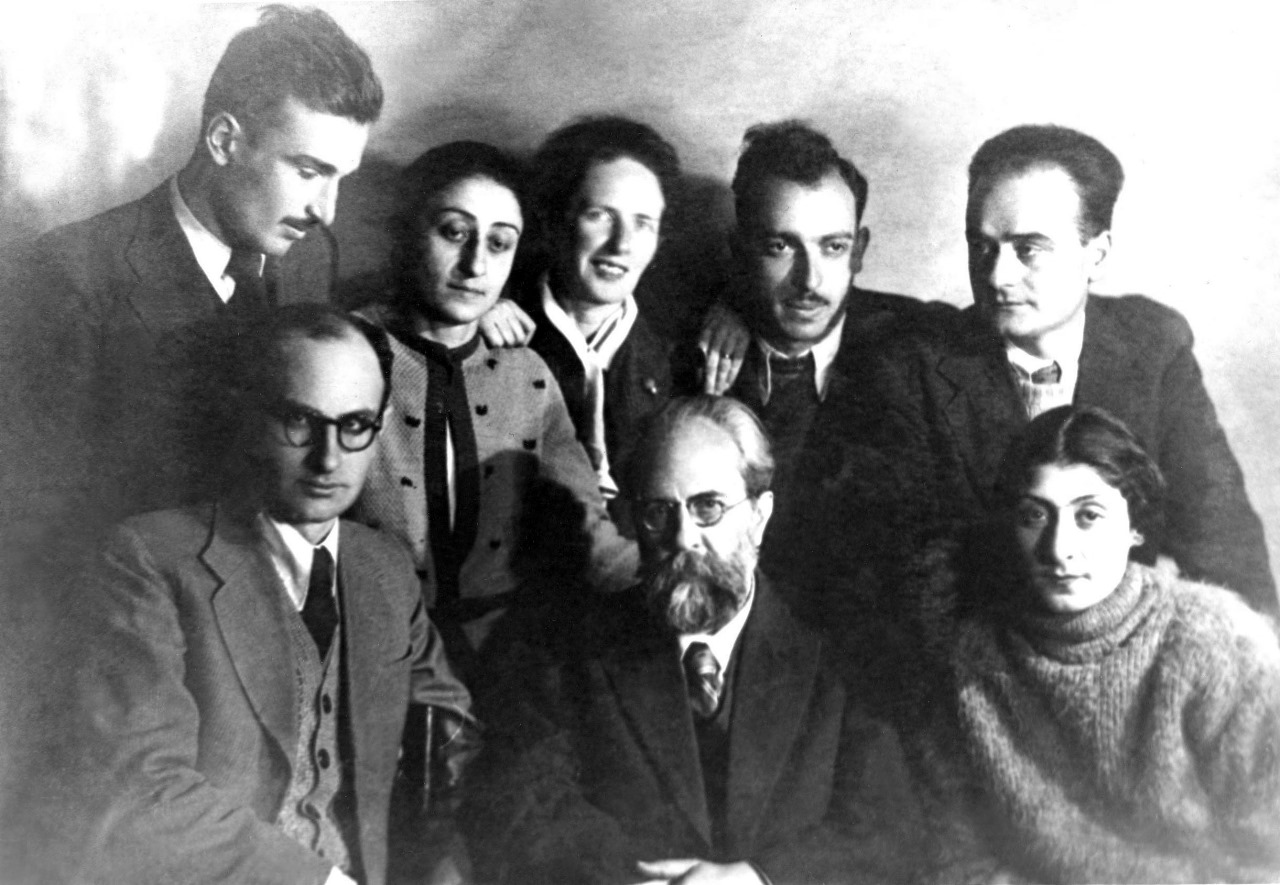
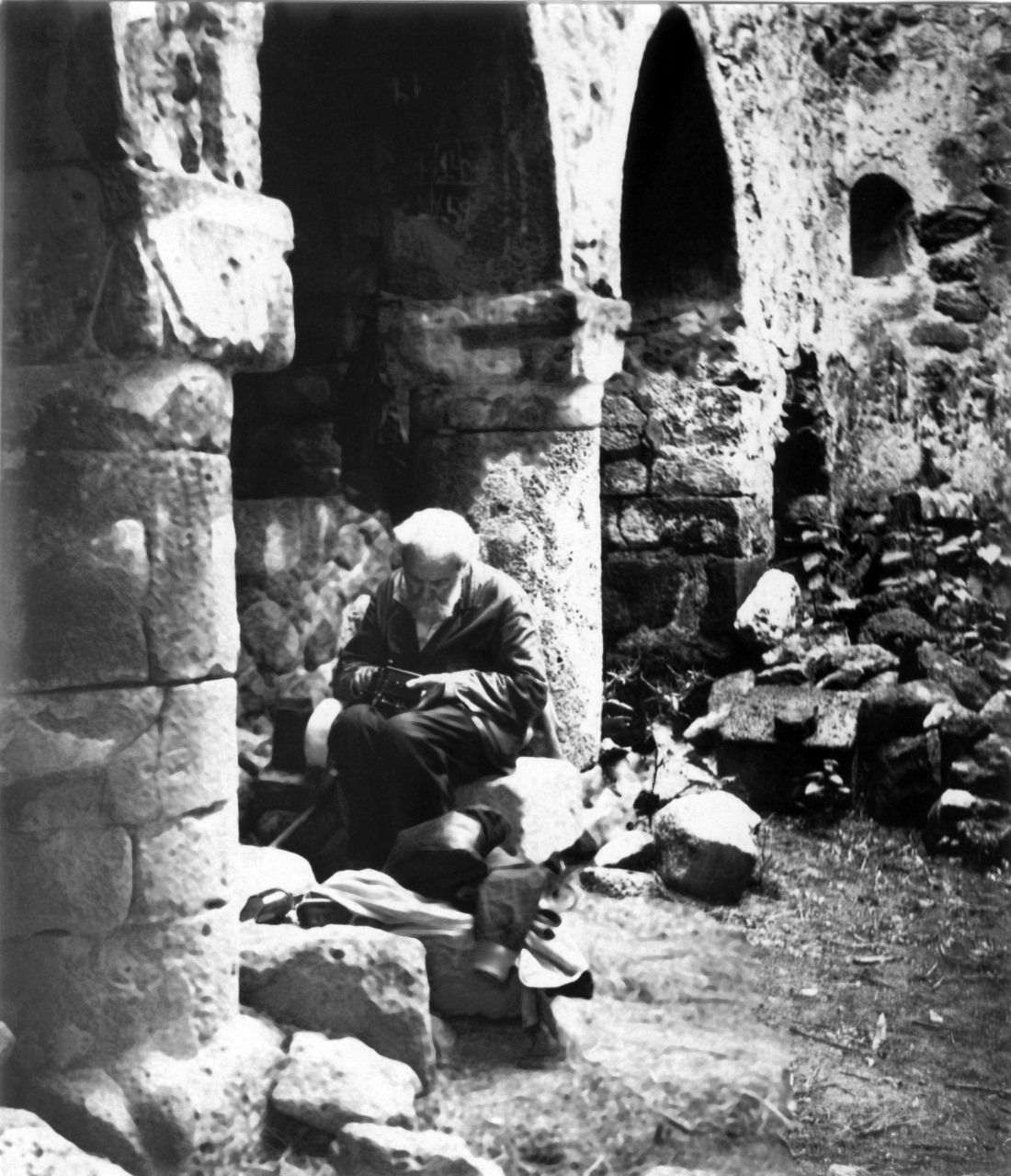
From its inception, the Institute of the History of Georgian Art became the leading center for art-historical research in Georgia. Its mission was to study Georgian art and, more broadly, the artistic heritage of Georgia—including works created on its soil as well as those brought by representatives of other peoples and cultures—from an art-historical perspective, and to situate it within the context of neighboring countries and the wider world of art.
Georgian art historians consistently engaged with the art of other countries in their research, producing studies that highlighted similarities and differences between Georgian medieval architecture (G. Chubinashvili, V. Beridze, R. Mepisashvili), painting (G. Alibegashvili, M. Didebulidze, E. Privalova, I. Khuskivadze), and sculpture (N. Aladashvili, L. Khuskivadze) and the artistic achievements of neighboring and distant cultures. Institute researchers examined Armenian architecture (G. Chubinashvili), antique glyptics preserved in Georgia and elsewhere (S. Barnaveli), as well as Byzantine, Iranian, Syrian, medieval and Renaissance, and Western European art (K. Machabeli, E. Privalova, L. Khuskivadze, I. Khuskivadze). They also studied works by Russian (G. Maskharashvili) and European (N. Choghushvili) artists active in Georgia.
Since its founding, the Institute of the History of Georgian Art has maintained close collaboration with various research institutions across the former USSR, Europe, and the United States.
International cooperation expanded particularly from the 1970s onward. Between 1974 and 1989, six international symposia dedicated to Georgian art were held with the active participation of the Institute: 1974 – Bergamo; 1977, 1983, 1989 – Bari and Lecce; 1986 – Pavia and the Torba Monastery.
The Chubinashvili Centre is the leading institution in Georgia for the scholarly study, promotion, and development of conservation programs for the country’s cultural heritage. It boasts a long-standing tradition of expertise and is staffed by the foremost specialists in the field.